The thermal lance industry operates behind a veil of technical jargon and overcomplicated explanations. After decades in mechanical engineering, Hickman Engineering has witnessed countless companies struggle with thermal lancing decisions simply because the real facts get buried under marketing speak and academic theory.
Here’s what actually matters when it comes to thermal lancing in UK industrial applications.
1. The Reality Behind Thermal Lancing Technology
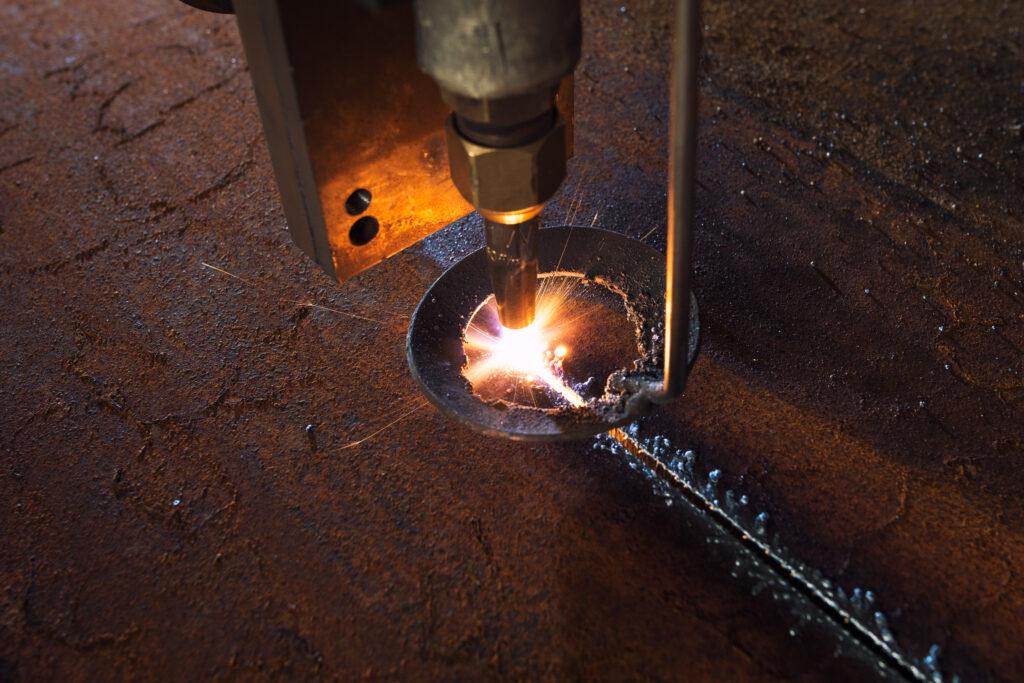
A thermal lance isn’t mysterious technology: it’s a controlled demolition tool that generates temperatures between 2,730°C and 4,500°C. The process uses a hollow steel tube packed with alloy steel rods, fed with pressurised oxygen to create an exothermic reaction that cuts through virtually any material.
The “secret” most engineering firms won’t discuss openly? The thermal lance succeeds precisely because it’s brutally simple. While competitors overcomplicate the process with unnecessary technical specifications, experienced engineers know the fundamentals drive results.
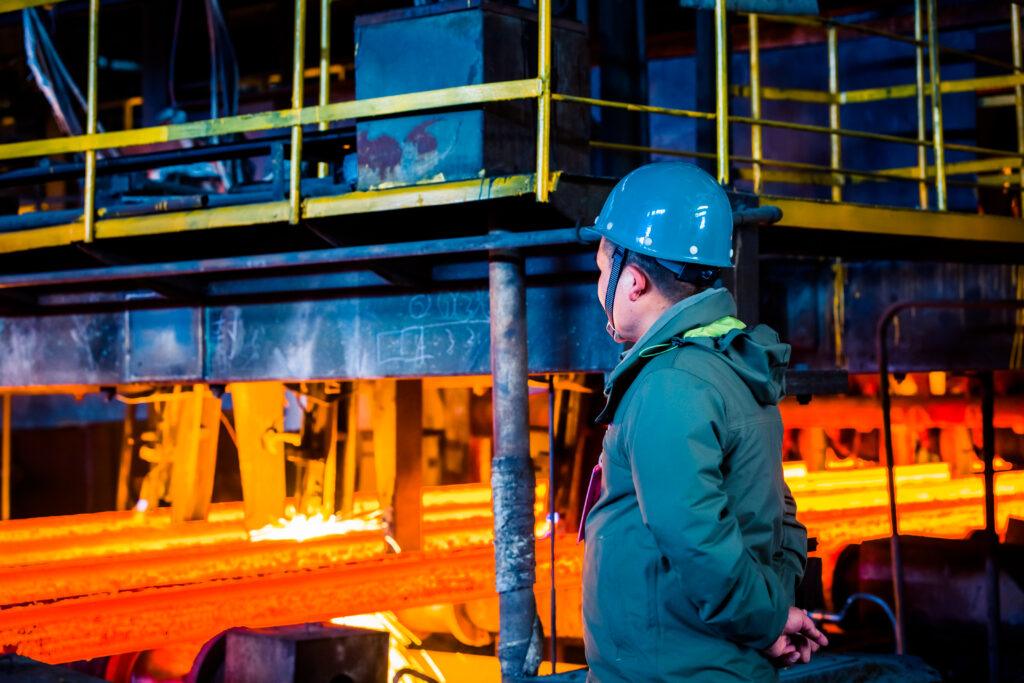
At Hickman Engineering, we’ve applied the thermal lance across diverse industrial scenarios: from removing seized machinery components to cutting through reinforced concrete structures. The technique works because it overwhelms materials with extreme heat and pressure, making precision less critical than understanding when and how to deploy it effectively.
2. What Can Thermal Lancing Be Used For?
One of the most common questions we receive at our mobile workshops is: what can thermal lancing be used for?
The answer lies in the chemical reaction. Because the heat is generated by the oxidation of the lance itself, it can cut through materials that are resistant to other forms of thermal cutting (like oxy-fuel).
Thermal lances effectively cut through:
Metallic Materials: Steel, stainless steel, high nickel alloys, copper and bronze alloys, aluminium, manganese, and shielding steels.
Non-Metallic Materials: Ceramic, concrete, and refractory bricks.
However, many UK industrial companies make costly mistakes by attempting to use a thermal lance on inappropriate materials or in unsuitable conditions. The tool consumes itself within minutes, making material selection and timing crucial for cost-effective operations.
Expert Note: For detailed guidelines on material safety, always refer to HSE Guidelines on Oxy-fuel gas cutting.
Hickman Engineering’s mobile engineering teams assess each situation individually. We determine whether a thermal lance represents the most efficient solution or if alternative cutting methods better serve the specific requirements. This assessment capability separates professional Mechanical Engineering Services from generic contractors.
3. The Temperature Truth Most Engineers Won’t Discuss
The extreme temperatures generated during thermal lancing: exceeding the melting points of concrete (1,800-2,500°C) and steel (less than 1,500°C): create unique challenges that textbook training doesn’t adequately address.
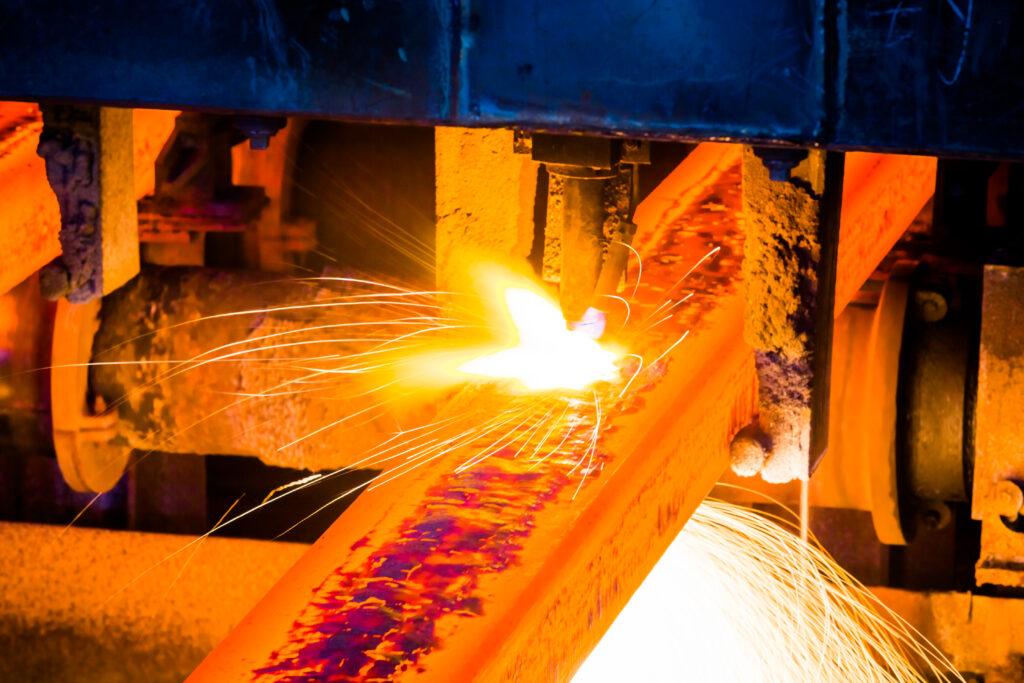
The high-pressure oxygen stream creates molten iron oxide, which the continuing oxygen flow blows away as new oxide forms. This self-sustaining reaction continues until the oxygen supply stops, but managing the molten material flow requires practical experience that only comes from extensive field application.
Hickman Engineering’s 24/7 emergency response capability means our engineers respond to thermal lance requirements under varied conditions: from controlled workshop environments to emergency breakdown situations where safety and efficiency demand immediate expertise.
4. Real-World Applications Beyond the Manual
Technical manuals describe thermal lance applications in general terms: heavy-duty demolition, removing seized machinery parts, scrap metal cutting, refinery work, and underwater cutting. The reality involves much more nuanced decision-making.
- Seized Axles and Pins: Removing these from large equipment like cranes, ships, and bridges requires understanding how to avoid damaging surrounding bearings or housing.
- Tap Holes: Opening furnace tap holes demands precise positioning and angle management.
- Structural Concrete: Cutting through reinforced concrete structures involves managing debris flow and structural integrity concerns.
These situations require the comprehensive mechanical engineering expertise that Hickman Engineering provides. Our teams don’t simply apply a thermal lance; we integrate it within broader mechanical solutions that address complete system requirements.
5. Operating Parameters That Actually Matter
Oxygen regulators typically operate at 80-100 psi depending on conditions, but the critical parameters involve environmental factors, material positioning, and safety zone management that academic training doesn’t emphasise sufficiently.
For concrete applications, bore holes inclined upwards at 5-10 degrees assist slag flow and improve cutting action. This seemingly minor detail significantly impacts operational efficiency and safety outcomes. The visible white-hot molten material generated requires comprehensive debris management protocols.
Hickman Engineering’s field experience across diverse industrial settings means we understand these operational realities. Our mobile workshops carry appropriate safety equipment and positioning tools to ensure thermal lance operations proceed safely and efficiently regardless of location constraints.
6. When Thermal Lancing Isn’t The Answer
Many UK industrial companies default to thermal lance for challenging cutting applications without considering more appropriate alternatives. The process works best for demolition and emergency removal situations where precision isn’t required.
For applications demanding controlled cuts, minimal heat-affected zones, or preservation of surrounding materials, mechanical cutting, water jet cutting, or plasma cutting often prove more suitable. Hickman Engineering’s comprehensive mechanical engineering capabilities enable us to recommend and implement the most appropriate solution for each specific requirement.
This integrated approach distinguishes professional mechanical engineering services from single-technique contractors. We assess the complete system, consider long-term implications, and recommend solutions that optimise both immediate results and ongoing operational efficiency.
Safety Realities Beyond Standard Protocols
Standard safety protocols cover basic protective equipment and operational procedures, but experienced thermal lance operations require understanding dynamic risk factors that emerge during active cutting operations.
The molten material flow creates unpredictable splash patterns, particularly in confined spaces or when cutting through composite materials. Wind conditions, ambient temperature, and material composition all influence safe operational parameters in ways that standard training doesn’t adequately address.
Hickman Engineering’s 90-minute emergency response commitment means our teams operate under varied conditions while maintaining consistent safety standards. This experience base enables us to identify and manage safety risks that less experienced operators might overlook.
7. The Economic Reality of Thermal Lancing
The disposable nature of thermal lances means operational costs include both equipment consumption and the expertise required for efficient deployment. Many companies underestimate the total cost implications of thermal lance projects by focusing solely on equipment costs while ignoring the efficiency factors that determine overall project economics.
Experienced thermal lance operations complete projects faster with less material waste. The difference between efficient and inefficient thermal lancing operations often exceeds the base equipment costs, making professional expertise a cost-effective investment rather than an additional expense.
Hickman Engineering’s mobile engineering approach eliminates transportation delays and setup complications that increase project costs. Our teams arrive with appropriate equipment, safety gear, and expertise to complete thermal lancing operations efficiently within single mobilisations.
Integration With Comprehensive Engineering Solutions
Thermal lancing rarely occurs in isolation: most applications form part of broader mechanical engineering projects involving equipment maintenance, structural modifications, or emergency repairs. The ability to integrate thermal lance as one component of integrated solutions that address complete system needs.
At Hickman Engineering, thermal lancing capabilities support our complete range of mechanical engineering services. Whether addressing planned maintenance requirements or responding to emergency breakdowns, we deploy thermal lancing as one component of integrated solutions that address complete system needs.
This comprehensive approach enables us to optimise project outcomes beyond what single-technique specialists achieve. Clients receive complete engineering solutions rather than fragmented services that require coordination between multiple contractors.
Why Experience Matters More Than Theory
Thermal lancing success depends more on practical experience than theoretical knowledge. Understanding how different materials respond, managing molten material flow, optimising cutting angles, and maintaining safety protocols under varied conditions requires extensive field experience.
Hickman Engineering’s decades of mechanical engineering experience across UK industrial applications means our teams understand thermal lancing within the context of complete mechanical systems. We don’t simply apply thermal lancing: we integrate it effectively within broader engineering solutions that optimise long-term operational efficiency.
Our mobile engineering capabilities, 24/7 emergency response, and comprehensive mechanical engineering expertise combine to provide thermal lancing services that address complete system requirements rather than isolated cutting needs.
Contact Hickman Engineering for professional thermal lance services integrated within comprehensive mechanical engineering solutions.